Understanding Joint Subluxation: Causes, Symptoms, and Treatment Options
Joint subluxation, often referred to simply as subluxation, is a condition characterized by a partial dislocation of a joint. Unlike a complete dislocation where the joint surfaces completely lose contact, subluxation involves a partial misalignment of the joint surfaces. This can occur due to various factors, including acute injury, repetitive motion injury, or certain medical conditions affecting ligament integrity.
Repetitive Motion Injury: Overuse or repetitive stress on a joint, such as in athletes or individuals performing repetitive tasks, can gradually weaken the ligaments and increase the risk of subluxation.
Medical Conditions: Certain medical conditions, such as Ehlers-Danlos syndrome or Marfan syndrome, which affect the integrity of connective tissues and ligaments, can predispose individuals to joint subluxations
Causes of Joint Subluxation
The joint subluxation can be caused by:
Acute Injury: Sudden trauma or impact to a joint can disrupt the normal alignment of the joint surfaces, leading to subluxation.
Symptoms of Joint Subluxation
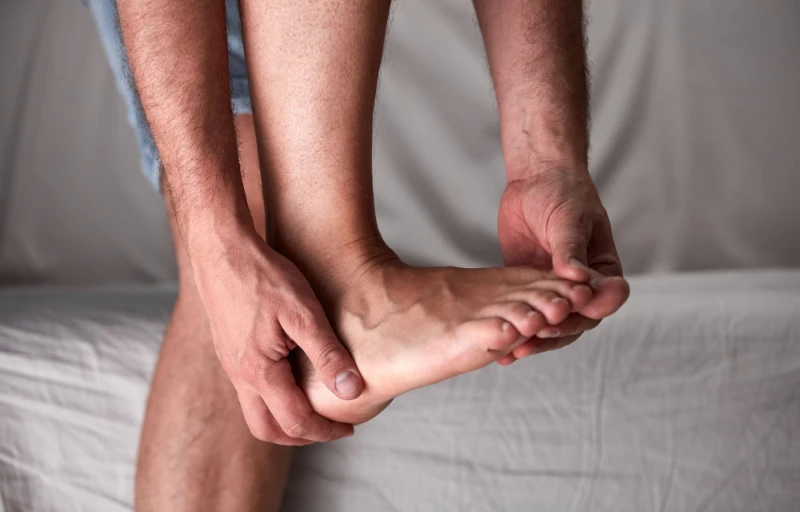
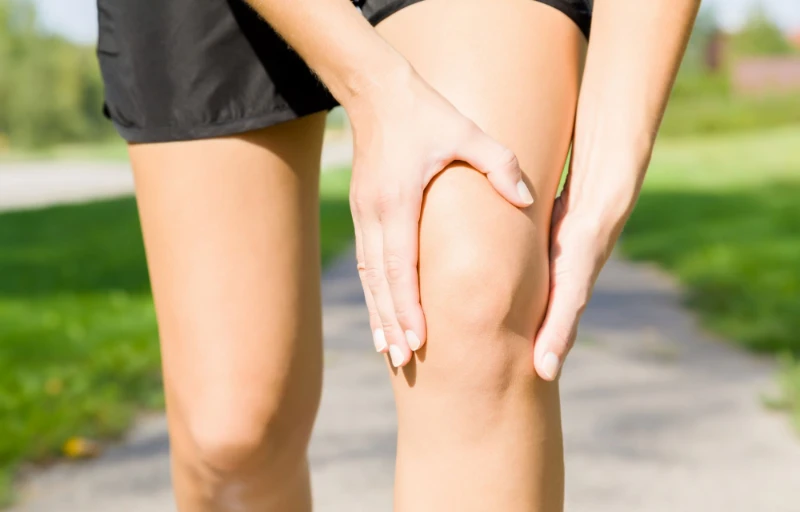
The symptoms of joint subluxation can vary depending on the severity of the misalignment and the affected joint. Common signs may include:
Pain:
Pain or discomfort in the affected joint, particularly during movement or weight-bearing activities.
Swelling:
Swelling or inflammation around the joint, indicating tissue damage or irritation.
Instability:
Feeling of instability or weakness in the joint, making it difficult to bear weight or perform activities of daily living.
Limited Range of Motion:
Decreased range of motion in the joint, accompanied by stiffness or difficulty moving the affected limb.
Treatment Options for Joint Subluxation
At Riesgraf Chiropractic, we offer comprehensive treatment options to address joint subluxation and alleviate associated symptoms. Our approach may include:
Joint Resetting:
Gentle manipulation techniques to realign the joint surfaces and restore normal joint function.
Pain Management:
Strategies to manage pain and inflammation, such as ice therapy, heat therapy, or non-steroidal anti-inflammatory drugs (NSAIDs).
Rehabilitation Therapy:
Customized exercise programs to strengthen the muscles surrounding the affected joint, improve stability, and prevent future subluxations.
Bracing or Splinting:
Temporary use of braces or splints to support the joint and promote healing.
Surgery:
In severe cases where conservative treatments are ineffective, surgical intervention may be necessary to repair damaged ligaments or stabilize the joint.
Finding Relief with Riesgraf Chiropractic
If you're experiencing symptoms of joint subluxation, our experienced team at Riesgraf Chiropractic is here to help. We offer personalized treatment plans designed to address your specific needs and restore function to the affected joint. Contact us today to schedule a consultation and take the first step towards relief from joint subluxation and improved joint health.