Understanding Herniated Discs: Causes, Symptoms, and Treatment Options
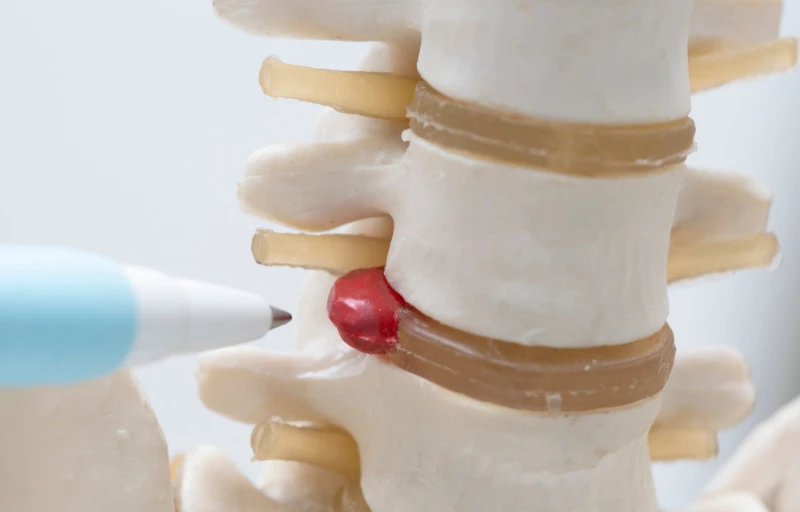
A herniated disc, also known as a slipped or ruptured disc, is a common spinal injury that occurs when the soft inner material of a spinal disc protrudes through a tear in the tough outer layer. To understand herniated discs, it's essential to grasp the structure of the spine:
Anatomy of the Spine
The spine, or backbone, consists of a series of bones called vertebrae, extending from the base of the skull to the tailbone. Between each vertebra are circular cushions called discs. These discs act as shock absorbers, providing cushioning and flexibility to the spine, allowing for smooth movements.
Trauma or Injury: Sudden or repetitive trauma to the spine, such as lifting heavy objects incorrectly or participating in contact sports, can cause discs to herniate.
Poor Body Mechanics: Incorrect lifting techniques, improper posture, and repetitive movements can place excessive strain on the spine, leading to disc herniation.
Genetic Factors: Some individuals may have a genetic predisposition to developing herniated discs due to inherent weaknesses in the structure of their spinal discs.
Causes of Herniated Discs
Herniated discs can develop due to various factors, including:
Age-related Degeneration: As we age, the discs in our spine gradually lose water content and elasticity, making them more prone to injury and herniation.
Symptoms of Herniated Discs
The symptoms of a herniated disc can vary depending on the location and severity of the injury. Common signs may include:
Pain:
Sharp or shooting pain in the affected area of the spine, which may radiate down the arms or legs.
Numbness and Tingling:
Sensations of numbness, tingling, or pins and needles in the arms, hands, legs, or feet.
Muscle Weakness:
Weakness or difficulty moving the muscles controlled by the affected nerves, leading to decreased strength and coordination.
Loss of Reflexes:
Diminished reflexes in the affected limbs, indicating nerve compression or irritation.
Treatment Options for Herniated Discs
At Riesgraf Chiropractic, we offer comprehensive treatment options to address herniated discs and alleviate associated symptoms. Our approach may include:
Chiropractic Adjustments:
Gentle spinal adjustments to realign the vertebrae and relieve pressure on the affected disc.
Spinal Decompression Therapy:
Non-invasive traction therapy to gently stretch the spine and reduce pressure on herniated discs.
Soft Tissue Therapy:
Targeted massage techniques to release tension in the muscles and ligaments surrounding the affected area.
Exercise Rehabilitation:
Customized exercise programs to strengthen the muscles supporting the spine and improve flexibility and range of motion.
Lifestyle Modifications:
Recommendations for ergonomic changes, proper lifting techniques, and posture correction to prevent further injury and promote healing.
Finding Relief with Riesgraf Chiropractic
If you're experiencing symptoms of a herniated disc, our experienced team at Riesgraf Chiropractic is here to help. We offer personalized treatment plans designed to address your specific needs and restore function to your spine. Contact us today to schedule a consultation and take the first step toward relief from herniated disc pain and discomfort.