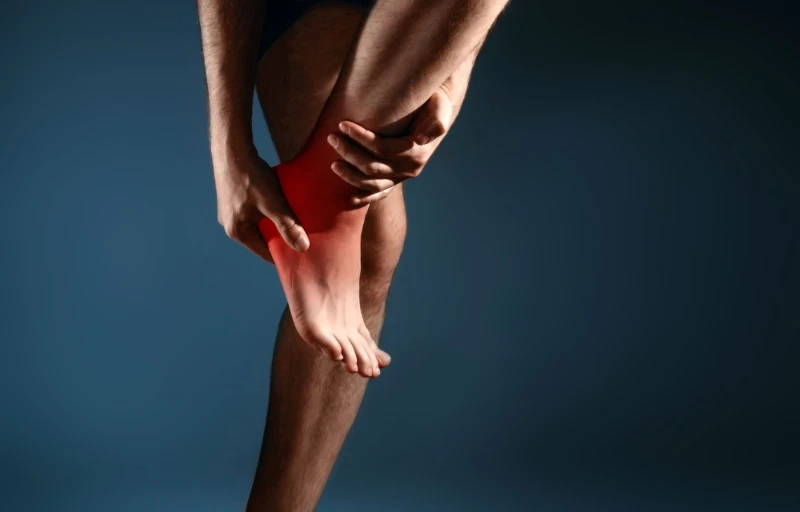
Heel Pain: Sharp or stabbing pain in the heel, particularly upon standing or walking.
Tenderness: Increased sensitivity or discomfort when pressure is applied to the affected area.
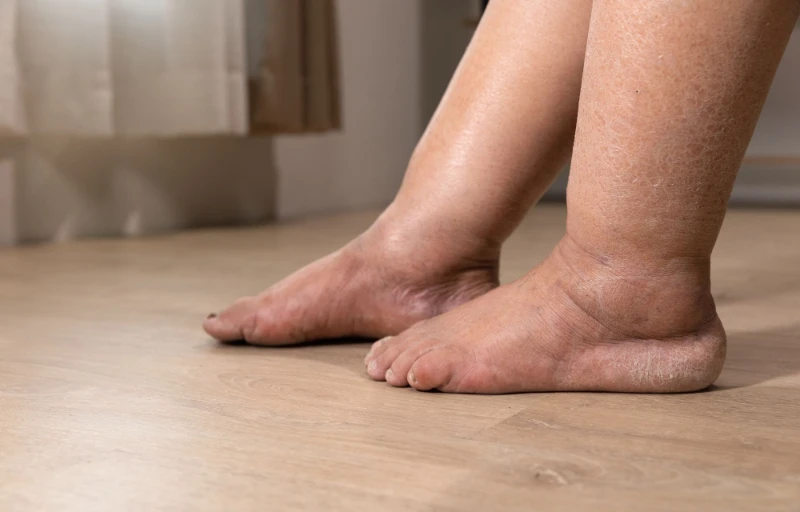
Swelling: Inflammation and swelling around the heel, often accompanied by redness or warmth.
Difficulty Walking: Impaired mobility or discomfort while bearing weight on the affected foot.
Understanding Heel Spurs: Causes, Symptoms, and Treatment Options
A heel spur is a common foot condition characterized by a bony growth that extends from the underside of the heel bone, typically where it connects to the plantar fascia—a thick band of tissue that runs along the bottom of the foot. While heel spurs themselves may not always cause pain, they can contribute to discomfort and inflammation in the surrounding tissues, leading to symptoms such as:
Causes of Heel Spurs
Heel spurs typically develop as a result of repetitive strain or stress on the foot, which can lead to the formation of calcium deposits and bony protrusions over time. Contributing factors may include:
Foot Mechanics:
Abnormalities in foot structure or gait mechanics can increase the risk of developing heel spurs.
Overuse:
Activities that involve prolonged standing, walking, or running on hard surfaces can strain the plantar fascia and contribute to heel spur formation.
Age:
The risk of developing heel spurs tends to increase with age, as tissues become less flexible and more susceptible to damage.
Footwear:
Wearing shoes that lack proper support or cushioning can exacerbate existing foot problems and contribute to heel spur development.
Treatment Options for Heel Spurs
While surgical removal of heel spurs may be considered in severe cases, non-surgical treatments are typically recommended as the first line of defense to alleviate symptoms and improve comfort. These may include:
Orthotic Devices:
Customized shoe inserts or orthotic devices can provide support and cushioning to reduce pressure on the heel and alleviate symptoms.
Physical Therapy:
Targeted exercises and stretches can help strengthen the muscles and ligaments surrounding the heel, improving flexibility and reducing strain.
Anti-Inflammatory Medications:
Over-the-counter or prescription medications may be recommended to reduce pain and inflammation associated with heel spurs.
Lifestyle Modifications:
Making adjustments to footwear, activity levels, and lifestyle habits can help minimize stress on the feet and promote healing.
Shockwave Therapy:
Extracorporeal shockwave therapy (ESWT) may be used to stimulate healing and reduce pain in cases where conservative treatments are ineffective.
Finding Relief with Riesgraf Chiropractic
If you're experiencing heel pain or suspect you may have a heel spur, our team at Riesgraf Chiropractic is here to help. We offer comprehensive evaluations and personalized treatment plans to address your symptoms and improve foot function. Contact us today to schedule a consultation and take the first step towards relief from heel spurs.